Valves in the Food Processing Industry - Trends and Innovations
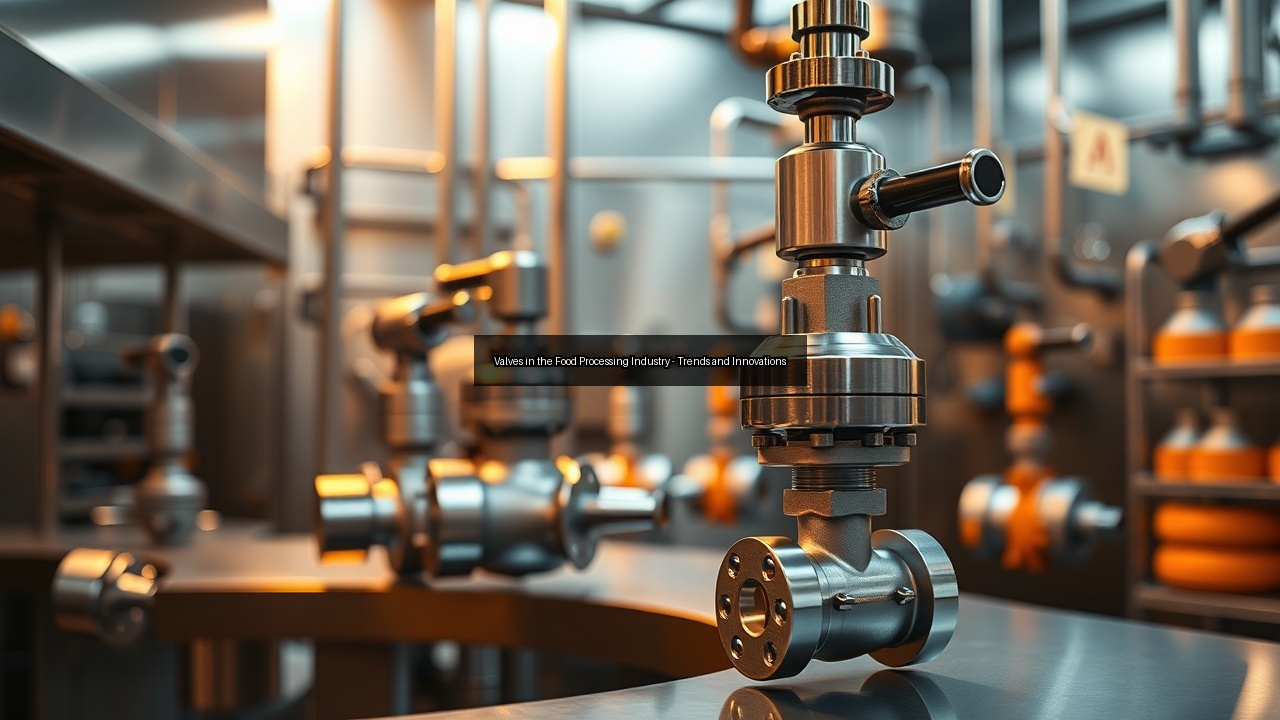
The Role of Valves in the Food Processing Industry
Understanding Different Types of Valves
Valves play a crucial role in the food processing industry, managing the flow of fluids throughout various production stages. Different types of valves serve specific functions, ensuring the safety and efficiency of operations. Common types include ball valves, gate valves, globe valves, and butterfly valves. Each valve type has unique characteristics that make it ideal for specific applications. For instance, ball valves offer valve for food processing quick shut-off capabilities and are often used in beverage applications where precision and reliability are paramount. On the other hand, butterfly valves provide a compact solution for controlling flow in larger pipelines, making them suitable for bulk food processing. Understanding these types helps manufacturers choose the right valve for their needs, enhancing overall efficiency and safety.
Importance of Sanitary Valves in Food Safety
Sanitary valves hold immense significance in the food processing industry, particularly concerning food safety. These valves are designed to meet stringent hygiene standards, preventing contamination during processing and packaging. Made from stainless steel and featuring smooth surfaces, sanitary valves minimize the risk of bacterial growth and ensure easy cleaning. The FDA regulates the materials and design of these valves to protect consumer health, emphasizing their importance in the food and beverage sectors. For processors handling baked goods, confectionery items, and liquid products, the use of sanitary valves is non-negotiable. Implementing these specialized valves not only complies with health regulations but also reinforces a company's commitment to quality and safety.
Common Applications of Valves in Food and Beverage
Valves find extensive applications in various segments of the food and beverage industry. In beverage production, control valves regulate the flow of ingredients, ensuring precise mixing and blending. In bottling lines, check valves prevent backflow, maintaining the integrity of products. The dairy sector relies on valves to manage the flow of milk and cream, while the baking industry utilizes them to control ingredients and automate processes. Additionally, valves are essential in food packaging, where they ensure the correct filling and sealing of products. Each application highlights the versatility and necessity of valves for food processing, making them indispensable in maintaining quality and efficiency throughout production lines.
Emerging Trends in Food Processing Valves
Automation and Control Valves in Modern Systems
Automation in the food processing industry is revolutionizing how manufacturers operate. Control valves are central to this transformation, facilitating efficient flow management in automated systems. These valves can be operated remotely, allowing for real-time adjustments that enhance operational efficiency. As food processors increasingly adopt Industry 4.0 principles, integrating automated systems with control valves becomes essential. The use of programmable logic controllers (PLCs) enables precise monitoring and control, ensuring consistent product quality. Furthermore, automation reduces labor costs and minimizes human error, which is especially critical in environments where safety and hygiene are paramount. As the trend towards automation grows, the demand for sophisticated control valves will continue to rise, positioning them as vital components in modern food processing operations.
Innovations in Safety Relief and Check Valves
Safety relief valves and check valves are undergoing significant innovations to meet the evolving demands of the food processing industry. Safety relief valves play a critical role in preventing overpressure situations, which can lead to catastrophic failures. Modern designs incorporate advanced materials and technology to enhance reliability and response times. Similarly, check valves have evolved to ensure better performance and durability. Innovations such as spring-loaded designs and low-pressure drop features improve efficiency while maintaining safety standards. These advancements not only enhance operational safety but also contribute to overall system efficiency, aligning with the industry's focus on sustainability and environmental responsibility. As these innovations continue to develop, they will redefine safety standards in food processing.
Sustainability Trends in Valve Manufacturing
Sustainability has become a pivotal focus in valve manufacturing for the food processing industry. Manufacturers are increasingly examining their production methods and materials to reduce environmental impacts. This trend encompasses the use of recyclable materials, energy-efficient manufacturing processes, and the development of longer-lasting valve designs that minimize waste. Additionally, companies are exploring innovative technologies that reduce water and energy consumption throughout the valve's lifecycle. By adopting sustainable practices, valve manufacturers not only comply with regulatory requirements but also meet the growing consumer demand for environmentally friendly products. As sustainability continues to shape the industry, valves designed with eco-friendly principles will gain prominence in the food processing sector.
Technological Innovations Shaping the Future
Advancements in Ball Valves for Beverage Applications
Ball valves have seen significant advancements, particularly in beverage applications. Enhanced designs now feature better sealing capabilities and faster response times, crucial for maintaining the quality of carbonated and non-carbonated drinks. Manufacturers have developed specialized ball valves that withstand high pressures and temperatures, ensuring their reliability in diverse beverage processing environments. Additionally, innovations in materials have led to lighter and more durable options that resist corrosion and wear, thereby extending the lifespan of valves used in food processing these valves. As the beverage industry continues to innovate, the demand for high-performance ball valves will grow, driving further developments in this essential component of food processing.
Smart Valves: Integration with IoT in Food Processing
The integration of smart technology valve for food processing in food processing is reshaping how valves operate. Smart valves equipped with Internet of Things (IoT) capabilities allow for real-time monitoring and data analysis. This technology provides food processors with valuable insights into system performance, enabling them to make informed decisions regarding maintenance and operations. Smart valves can detect anomalies and alert operators before issues escalate, thereby minimizing downtime and enhancing safety. As the industry embraces digital transformation, the demand for smart valves will increase, making them integral to future food processing systems. The convergence of IoT and valve technology promises to revolutionize operational efficiency and product quality.
FDA Compliance and Its Impact on Valve Design
FDA compliance remains a critical factor influencing valve design in the food processing industry. The FDA sets stringent regulations to ensure that materials used in food contact applications are safe and do not leach harmful substances. This compliance impacts the choice of materials, the design of valves, and the manufacturing processes employed. Manufacturers must prioritize FDA-approved materials, such as specific grades of stainless steel, to ensure safety and hygiene. The emphasis on compliance drives innovation, as companies strive to develop valves that not only meet regulatory standards but also enhance performance and durability. As the food processing industry evolves, FDA compliance will continue to shape valve design and functionality, reinforcing the importance of safety in food and beverage production.
See Also
- How Automated Control Valves Are Transforming Beverage Production
- Revolutionizing the Food Processing Industry with Advanced Valve Technology
- How Sanitary Valves Ensure Quality in Food Processing
- From Baked Goods to Beverages Understanding Valves in Food Processing Applications
- Exploring the Best Valve Options for Efficient Food Packaging Solutions