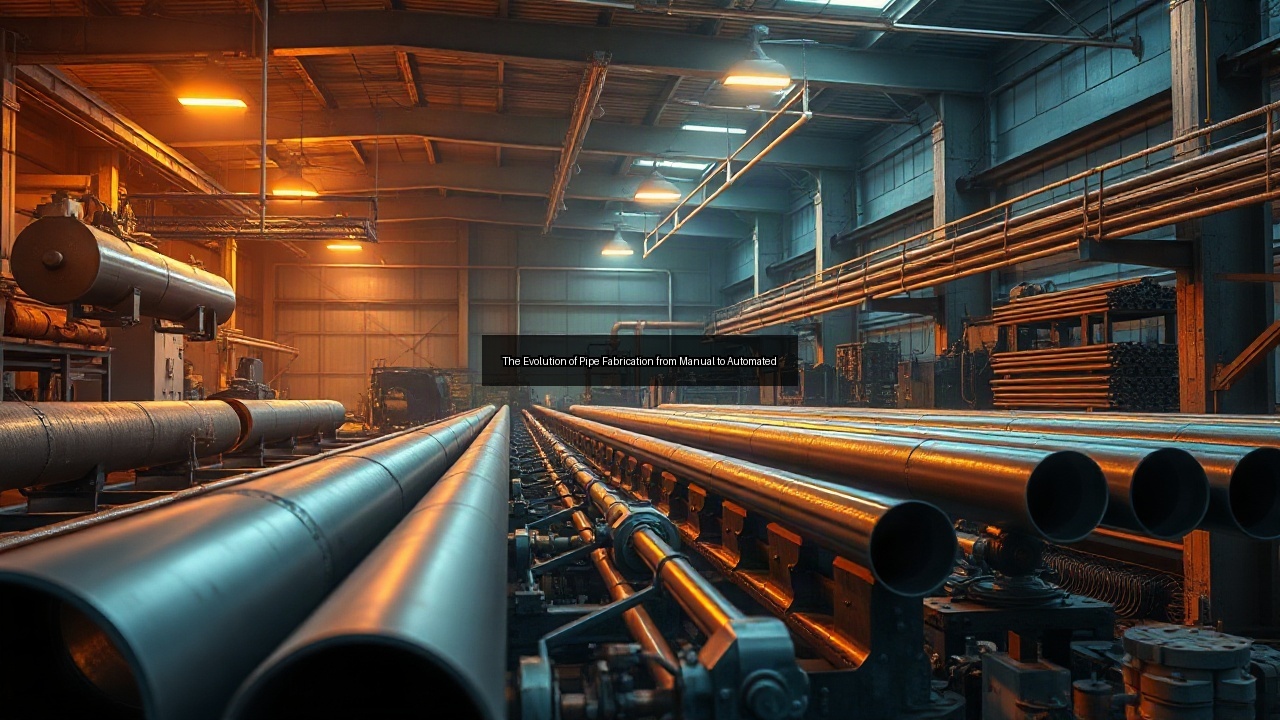
The Evolution of Pipe Fabrication from Manual to Automated
Historical Overview of Pipe Fabrication
Early Manual Techniques
Pipe fabrication has a rich history that traces back to early human civilizations where artisans shaped materials by hand. In ancient times, craftsmen utilized basic tools to create pipes from various materials like clay, wood, and metal. Manual techniques dominated the fabrication process, relying heavily on the skill and precision of the artisan. These early fabrications often involved heating and bending materials to create the desired shapes and sizes for piping systems. The labor-intensive nature of this work required considerable time and skill, making it a specialized trade. As societies advanced, the demand for more sophisticated piping systems grew, prompting innovations in manual techniques that improved efficiency while maintaining quality.
Introduction of Machinery in Fabrication
The Industrial Revolution marked a significant turning point in pipe fabrication. The introduction of machinery revolutionized how pipes were manufactured. Steam-powered machines enabled fabricators to produce steel pipes and other materials with greater speed and consistency. Mechanical saws, lathes, and drilling machines reduced manual labor and increased production capacity. These advancements allowed pipe fabrication companies to meet the growing demands of industries such as construction, oil and gas, and water supply. The combination of mechanical engineering and skilled labor paved the way for a more systematic approach to fabrication, ensuring that pipes met the specific requirements of various applications while maintaining structural integrity and durability.
The Rise of Pipe Fabrication Companies
As demand for piping systems surged, dedicated pipe fabrication companies emerged, focusing solely on this essential industry. These specialized firms offered comprehensive fabrication services, including cutting, bending, and welding of pipes. This evolution allowed for economies of scale, enabling companies to produce large quantities of pipes tailored to client specifications. The rise of these fabrication shops also led to improved quality control processes, ensuring that every piece met industry standards. Moreover, pipe fabrication companies began to adopt standardized practices and certifications, enhancing their credibility and reliability in the marketplace. This specialization catalyzed further innovations in techniques and materials, setting the stage for the advanced fabrication processes we see today.
Technological Advancements in Pipe Fabrication
Transition to Automated Processes
The transition from manual to automated processes in pipe fabrication signifies a monumental shift in the industry. Automation has transformed traditional fabrication methods by introducing machinery that can perform repetitive tasks with high accuracy and speed. Automated cutting machines and CNC (Computer Numerical Control) technology allow for precise measurements and cuts, minimizing waste and enhancing productivity. Additionally, automated systems reduce labor costs, leading to more competitive pricing strategies. Companies can now produce large volumes of high-quality pipes while maintaining consistent output and reducing the potential for human error. This shift towards automation not only streamlines operations but also allows skilled workers to focus on more complex tasks that require expertise, such as quality assurance and problem-solving.
Impact of CAD and CAM on Fabrication
The integration of Computer-Aided Design (CAD) and Computer-Aided Manufacturing (CAM) has further revolutionized pipe fabrication. CAD software enables engineers and designers to create precise 3D models of piping systems, allowing for detailed planning and visualization before any physical work begins. This technology enhances collaboration among teams, as everyone can access and modify designs easily. CAM systems then take these designs and convert them into instructions for automated machinery, ensuring that the fabrication process aligns perfectly with the design specifications. The synergy between CAD and CAM not only increases accuracy but also shortens lead times, enabling faster project completion. As a result, pipe fabrication services can respond swiftly to market demands and client needs, positioning themselves as leaders in the industry.
Integration of Robotics in Welding Pipe Fabrication
The integration of robotics in welding pipe fabrication represents a significant leap in technological advancement. Robotic welding systems enhance the quality and consistency of welds, which is crucial for the integrity of piping systems. These robots can operate continuously, performing repetitive welding tasks with precision and efficiency. Additionally, robotic systems can access hard-to-reach areas, ensuring that every weld is executed correctly without compromising safety. The use of robotics reduces the risk of workplace injuries associated with manual welding, creating a safer environment for workers. Furthermore, this technology allows companies to scale their operations effectively, as robotic systems can be programmed for various tasks and materials, including steel pipes and other metals. As the industry continues to embrace this technology, the future of welding pipe fabrication looks promising, with increased reliability and reduced production times.
Current Trends and Innovations in Pipe Fabrication
Sustainability in Steel Pipe Production
Modern pipe fabrication increasingly emphasizes sustainability, particularly in steel pipe production. Companies are adopting eco-friendly practices that minimize environmental impact while maintaining high-quality standards. The use of recycled materials in fabrication processes has become more common, contributing to resource conservation. Additionally, manufacturers are investing in energy-efficient technologies that reduce carbon emissions during production. Sustainable practices not only appeal to environmentally conscious consumers but also align with global efforts to combat climate change. As regulations become stricter, pipe fabrication companies that prioritize sustainability will likely gain a competitive edge. This commitment to environmental responsibility fosters innovation in materials and methods, ensuring that the industry evolves in harmony with ecological considerations.
Cost-Efficiency and Pricing Strategies
Cost-efficiency remains a driving force in pipe fabrication, influencing pricing strategies across the industry. Companies are continually exploring ways to reduce production costs while maintaining quality. Innovations in automation and technology play a crucial role in achieving this balance. By streamlining operations and optimizing resource use, fabrication shops can offer competitive pricing without sacrificing performance. Additionally, adopting lean manufacturing principles helps companies eliminate waste and improve overall efficiency. Transparent pricing strategies that reflect the true value of services ensure customer satisfaction and loyalty. As the industry faces fluctuating material prices and economic uncertainties, cost-effective solutions will be vital for pipe fabrication companies aiming to thrive in a competitive market.
Emergence of Smart Fabrication Technologies
Smart fabrication technologies are shaping the future of pipe fabrication. These innovations incorporate IoT (Internet of Things) devices and data analytics into the fabrication process, allowing for real-time monitoring and optimization. Smart sensors can track production metrics, ensuring that machines operate at peak efficiency. This data-driven approach enables companies to identify bottlenecks and make informed decisions to enhance productivity. Additionally, predictive maintenance powered by smart technology helps prevent equipment failures, reducing downtime and associated costs. As the industry embraces smart fabrication, companies can enhance their operational capabilities, improve quality control, and respond quickly to market demands. This technological evolution positions pipe fabrication services for greater success in an increasingly digital landscape.
Future of Pipe Fabrication
Predictions for Automation and AI
The future of pipe fabrication will likely see an increased reliance on automation and artificial intelligence (AI). These technologies promise to enhance efficiency and precision while reducing labor costs. AI can analyze production data to optimize workflows and predict maintenance needs, ensuring uninterrupted operations. Moreover, as AI algorithms continue to advance, they will aid in quality assurance, detecting anomalies in real-time and enabling immediate corrective actions. The integration of AI will also facilitate more sophisticated design processes, allowing for rapid prototyping and customization of piping systems. As automation becomes more prevalent, companies that invest in these technologies will gain a significant advantage, positioning themselves as leaders in the evolving landscape of pipe fabrication.
Challenges Facing Pipe Fabrication Shops
Despite the advancements in technology, pipe fabrication shops face several challenges that could impact their operations. Labor shortages, particularly in skilled trades, pose a significant hurdle for companies striving to maintain high production levels. The industry must invest in training programs and initiatives to attract new talent. Additionally, fluctuating material prices can strain budgets, requiring careful financial management. Compliance with increasingly stringent regulations regarding safety and environmental standards adds another layer of complexity to operations. Fabrication companies must remain agile and adaptable to navigate these challenges while continuing to innovate and improve their processes.
The Role of Industry 4.0 in Fabrication Services
Industry 4.0 is redefining the landscape of pipe fabrication by integrating advanced technologies into production processes. This new industrial revolution emphasizes automation, data exchange, and smart manufacturing. Companies adopting Industry 4.0 principles can leverage real-time data to enhance decision-making and operational efficiency. The use of connected devices and systems enables seamless communication throughout the production chain, allowing for greater collaboration and transparency. Fabrication services that embrace this paradigm shift will be better positioned to respond to changing market demands and customer expectations. Industry 4.0 not only enhances productivity but also fosters innovation, creating new opportunities for growth and development within the pipe fabrication sector.