Innovative Applications of Thermoset Injection Molding in the Automotive Industry
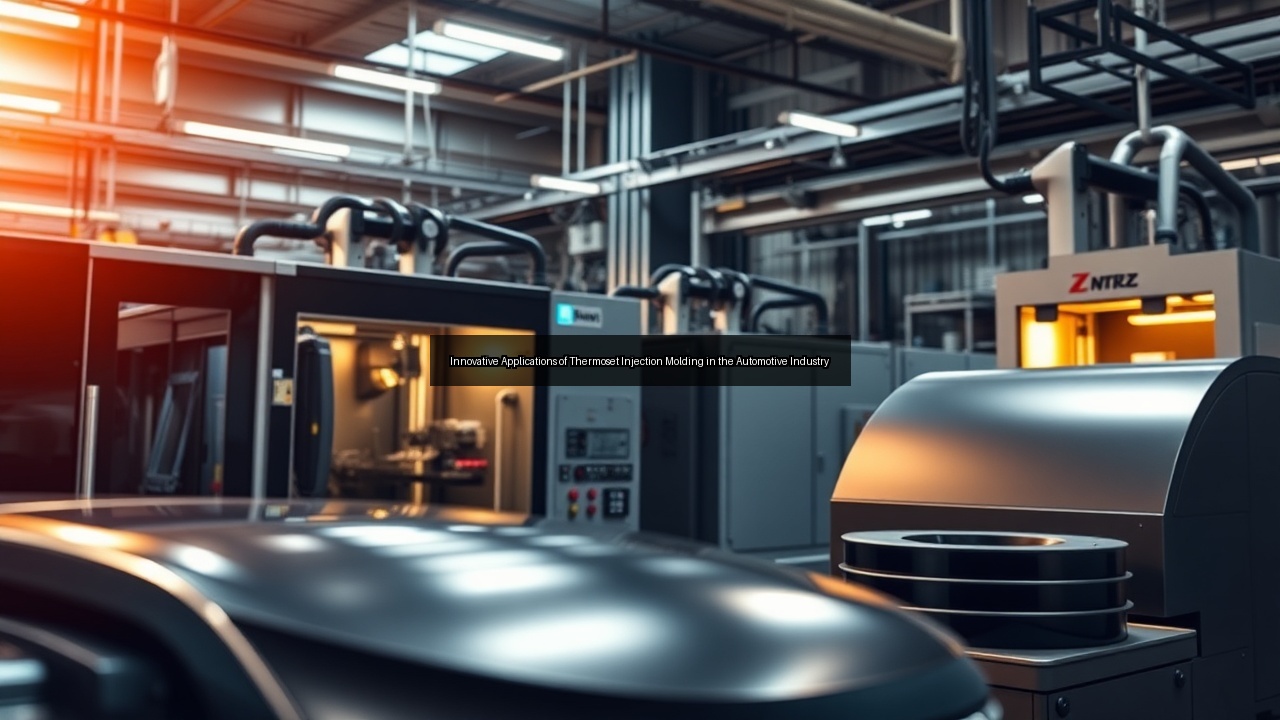
Understanding Thermoset Injection Molding
Characteristics of Thermoset Materials
Thermoset materials form permanent chemical bonds during curing that create rigid structures resistant to heat and chemicals. These polymers start as liquids or powders and undergo irreversible cross-linking under heat and pressure in the mold. Automotive engineers value their dimensional stability because parts maintain shape even near engines or exhaust systems. Thermoset injection molding delivers consistent results across high-volume runs where thermoplastics might warp. The process accepts additives that enhance flame retardancy and electrical insulation without sacrificing strength.
Manufacturers choose thermoset polymers when components face repeated thermal cycling or exposure to oils and fuels. Unlike materials that soften, these stay rigid once cured. This behavior suits brackets, housings, and insulators that must endure vibration and temperature swings daily. Thermoset solutions also resist creep under sustained loads, a critical trait for load-bearing automotive fixtures.
Comparison with Thermoplastic Injection Molding
Thermoplastic injection molding allows repeated melting and reshaping, which suits recyclable parts but limits performance under sustained heat. Thermoset injection molding creates a one-way reaction that locks the shape permanently. Automotive teams select thermosets when parts must survive 200°C environments where thermoplastics soften or deform. The trade-off appears in cycle times: thermoset molding often requires longer cure periods yet yields superior chemical resistance.
Designers weigh recyclability against durability. Thermoplastics win for interior trim that needs color changes during production. Thermosets dominate under-hood applications where fluid exposure and heat demand permanent stability. Both processes use similar injection equipment, yet mold temperatures and pressures differ to accommodate each material family.
Advantages of Thermoset Injection in Automotive Applications
Thermoset injection molding produces parts with tight tolerances and minimal post-mold shrinkage. Automotive suppliers gain lightweight components that replace metal castings while cutting assembly weight. The process supports complex geometries that compression molding cannot achieve efficiently. High-volume runs benefit from automated material handling that feeds resin directly into the barrel.
Engineers report lower warpage rates compared with large thermoplastic injection moulded panels. Thermoset materials bond well to metal inserts during the same cycle, eliminating secondary operations. These advantages reduce total part cost when weight savings improve fuel economy targets across vehicle platforms.
Innovative Applications in the Automotive Industry
Thermoset Components in Vehicle Interiors
Dashboard structures and center console frames now incorporate thermoset injection molding for improved acoustic damping. These parts absorb road noise better than many thermoplastics because of their dense molecular network. Manufacturers embed mounting points for electronics directly into the mold, reducing fasteners and assembly steps. Surface finishes achieve class-A quality without additional painting when molds receive proper polishing.
Door modules benefit from thermoset rigidity that prevents flexing during window operation. The material accepts fabric or leather overmolding in one shot, creating integrated soft-touch areas. Interior teams specify these components when crash standards require energy absorption without brittle failure.
Use of Thermoset Injection for Engine Parts
Intake manifolds and valve covers molded from thermoset polymers withstand continuous temperatures above 150°C while resisting oil and coolant attack. Thermoset injection molding replaces aluminum in these locations and cuts weight by up to 40 percent. The process allows integrated runners and sensors that thermoplastic injection moulding struggles to produce without weld lines.
Engineers specify phenolic and epoxy resins for ignition coils and distributor caps because electrical insulation remains stable under load. Liquid silicone rubber overmolding adds flexible seals around metal terminals in the same cycle. These hybrid parts pass rigorous leak and vibration testing required for under-hood certification.
Advancements in Composite Materials for Automotive
Carbon-fiber-reinforced thermoset compounds enter body panels and structural cross-members through specialized injection processes. The resulting composite parts deliver stiffness-to-weight ratios that exceed steel while maintaining impact performance. Thermoset injection molding accommodates fiber loadings up to 50 percent without fiber breakage common in other methods.
Recent resin systems cure faster, shortening cycle times to compete with metal stamping. Automotive programs now qualify these composites for crash structures that absorb energy through controlled delamination. The combination of thermoset matrix and continuous fibers creates parts that meet both lightweighting and safety targets simultaneously.
The Molding Process: Techniques and Technologies
Overview of the Injection Molding Process
Raw thermoset resin enters a heated barrel where a reciprocating screw mixes and advances the material toward the mold. Once the mold closes, injection pressure forces the compound into cavities where heat triggers cross-linking. Cure time depends on part thickness and resin chemistry, typically ranging from 30 seconds to several minutes. After ejection, parts often receive a post-cure bake to complete polymerization.
Process control monitors barrel temperatures, injection speed, and mold surface conditions to prevent voids or incomplete fills. Modern controllers log data for each shot, allowing rapid adjustment when material lots vary. Automotive suppliers run these lines continuously with minimal scrap through precise shot-size control.
Insert Molding vs. Overmolding Techniques
Insert molding places metal terminals or bushings into the mold before injection begins, encapsulating them fully during the cycle. This single-step approach eliminates adhesives and improves pull-out strength in electrical connectors. Overmolding adds a second material layer, often liquid silicone rubber, onto a previously molded thermoset substrate for sealing or grip surfaces.
Both techniques reduce assembly labor in automotive wire harnesses and sensor housings. Insert molding works best when the metal component must remain rigid. Overmolding suits flexible interfaces that need vibration isolation. Tooling for each method requires careful gate placement to avoid displacing inserts during fill.
Utilizing CNC Machines in Thermoset Molding
CNC machine centers mill precision mold cavities from hardened steel that withstand thousands of thermoset cycles. Five-axis lathe operations create complex cooling channels that maintain uniform mold temperatures critical for even curing. Drill patterns for ejector pins and vents follow tight tolerances to prevent flash on finished parts.
After initial molding, CNC trimming removes gates and flash without damaging surface detail. Automotive programs demand repeatability measured in microns, so shops calibrate machines daily. Integration of these machine tools with molding presses shortens lead times from design to production validation.
Quality Control and Standards in Thermoset Injection Molding
ISO 13485 and Its Importance
Although ISO 13485 targets medical devices, automotive suppliers adopt its risk-management framework when thermoset parts affect safety systems. The standard requires documented process validation and traceability that align with IATF 16949 expectations. Companies implement ISO 13485 procedures to demonstrate consistent control over mold temperature, injection pressure, and material lot tracking.
Audits verify that corrective actions address root causes rather than symptoms. This discipline reduces field failures in brake sensors and transmission components molded from thermoset resins. Certification also streamlines customer approvals during new vehicle platform launches.
Testing and Quality Assurance for Thermoset Components
Destructive testing includes tensile, impact, and heat-deflection measurements on sample parts pulled from each production lot. Non-destructive methods such as ultrasonic scanning detect internal voids before shipment. Automotive quality teams track dimensional data with coordinate measuring machines to confirm cavity-to-cavity consistency across multi-cavity molds.
Statistical process control charts monitor key parameters in real time. When values drift, operators adjust barrel temperatures or injection speeds immediately. This proactive approach keeps scrap rates below 2 percent on high-volume thermoset programs.
Chemical Considerations in Thermoset Molding
Thermoset resins react with curing agents that release heat and must vent properly to avoid pressurized mold conditions. Automotive compounds often contain flame-retardant chemicals and ultraviolet stabilizers that require precise metering during compounding. Mold release agents interact with surface chemistry, so suppliers validate compatibility to prevent adhesion issues.
Material safety data sheets guide handling procedures that protect operators from uncured resins. Post-mold outgassing tests confirm that finished parts meet interior air-quality standards before installation. These chemical controls protect both product performance and regulatory compliance throughout the supply chain.
Future Trends and Innovations in Thermoset Injection Molding
Emerging Materials in Thermoset Plastics
New bio-based thermoset resins incorporate renewable feedstocks while retaining heat resistance required for engine-adjacent parts. These polymers cure at lower temperatures, reducing energy consumption during molding. Researchers develop self-healing variants that repair micro-cracks under heat, extending service life in structural composite applications.
Nanoparticle additives improve thermal conductivity without sacrificing electrical insulation. Automotive material engineers evaluate these formulations for battery housings where heat dissipation matters. Early trials show cycle-time reductions of 15 percent with maintained mechanical properties.
Integration of Automation and Smart Technologies
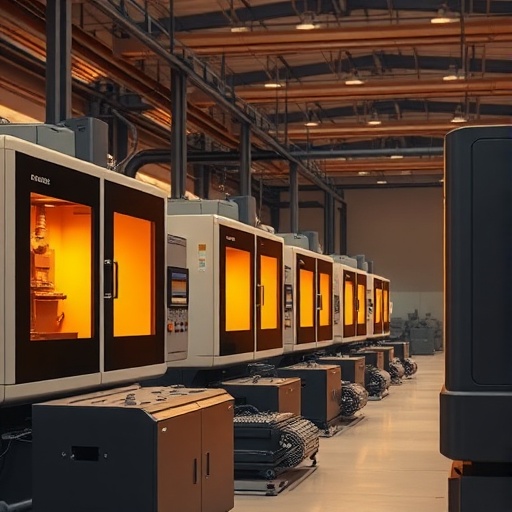
Robotic cells now load inserts and unload parts from thermoset injection presses without operator intervention. Vision systems inspect every component for flash or short shots before packaging. Data analytics platforms correlate machine parameters with part quality to predict maintenance needs on mold components.
Digital twins of the molding process allow virtual trials that shorten physical tool development. Automotive Tier-1 suppliers connect presses to plant-wide networks that adjust schedules based on real-time demand signals. These smart factories improve throughput while maintaining the precision thermoset solutions demand.
Sustainability and Environmental Impact of Thermoset Solutions
Closed-loop grinding systems reclaim cured thermoset scrap and reintroduce it as filler in new compounds, cutting virgin resin use. Energy-recovery incineration handles end-of-life parts when mechanical recycling proves impractical. Automotive programs track life-cycle carbon footprints that favor thermoset parts when weight reduction improves vehicle efficiency over decades of service.
Suppliers develop recyclable thermoset matrices that depolymerize under controlled conditions, recovering both resin and fiber reinforcements. These advances address regulatory pressure while preserving the performance advantages that make thermoset injection molding essential for next-generation vehicles.
See Also
- Comparing Thermoset and Thermoplastic Injection Molding for Optimal Results
- The Future of Thermoset Injection Molding Technologies in Manufacturing
- Exploring the Advantages of Thermoset Materials in Modern Injection Molding
- Overmolding with Thermosets Unlocking New Possibilities in Product Development
- Mastering the Art of Thermoset Injection Molding for Durable Components