A Complete Guide to Blower Housing Assembly in HVAC Systems
Understanding the Role of Blower Housing in HVAC Systems
Function of Blower Housing
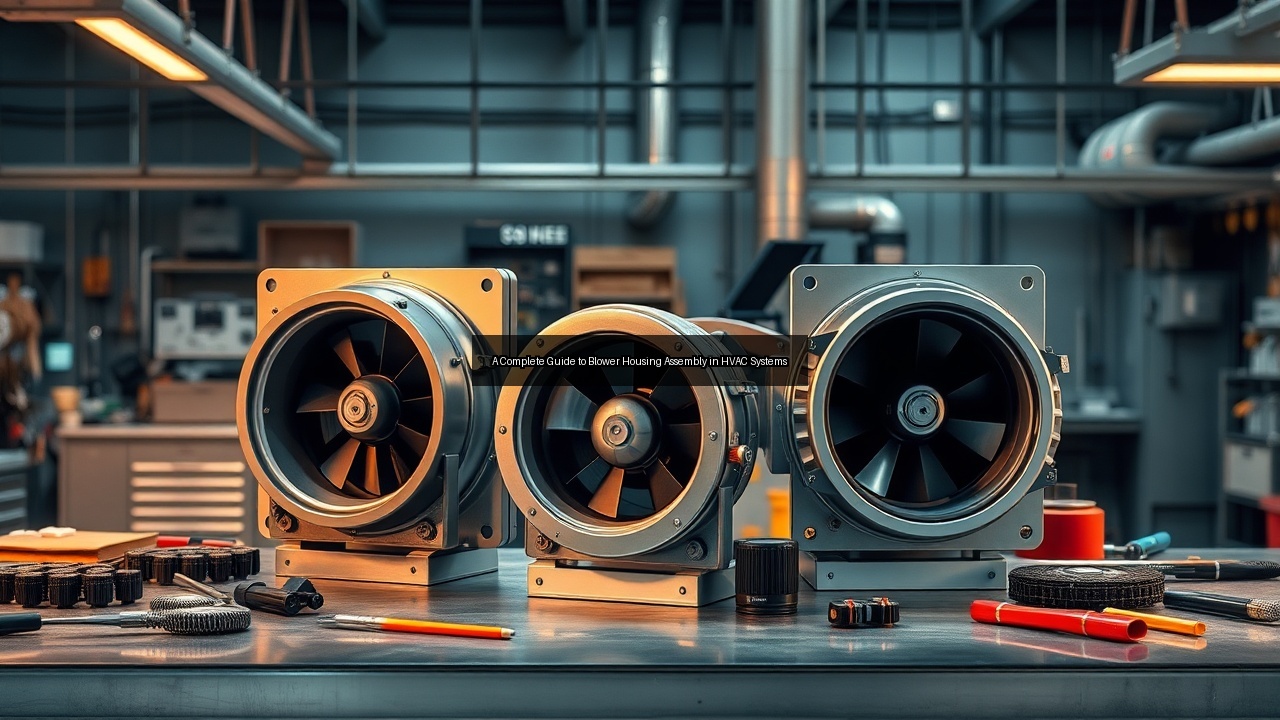
The HVAC blower housing directs airflow through the entire system with precision. It encloses the blower fan and channels air from the intake to the ducts, ensuring consistent distribution across rooms. Proper function prevents energy loss and maintains indoor comfort levels during peak seasons. Technicians rely on this component to optimize performance in both heating and cooling cycles. Without it, blowers would scatter air inefficiently, raising utility costs and reducing system reliability.
Engineers design HVAC blower housing assemblies to withstand constant pressure changes. The structure channels air smoothly while protecting internal parts from debris. In practice, this housing improves overall hvac system efficiency by reducing turbulence. Homeowners notice steadier temperatures once the assembly operates correctly. Regular inspection keeps the blower fan aligned and functional.
Air movement starts here and affects every downstream process. The housing creates a sealed path that maximizes the blower motor output. This setup supports faster response times when thermostats call for heat or cool air. Systems equipped with quality housings deliver reliable circulation without excess strain on other components.
Components of Blower Housing Assembly
A typical blower housing assembly includes the outer shell, mounting brackets, and integrated scroll. These parts secure the blower fan in place and guide air through a curved pathway. Ball bearing supports reduce friction on the shaft during high-speed operation. Manufacturers often add access panels for quick service on blower motors. Each element works together to maintain balance and prevent vibration throughout the hvac system.
Additional pieces like the inlet ring and discharge flange complete the assembly. The inlet ring draws air from the return duct while the flange connects directly to supply lines. Technicians replace worn gaskets during service to avoid leaks around the housing edges. Quality materials in these components extend the life of the entire blower setup. Proper alignment of all parts ensures the blower fan operates at peak capacity.
Modern designs incorporate reinforced steel or composite materials for durability. These choices resist corrosion in humid environments common to air conditioner applications. The assembly also houses safety features that protect against overheating. Users benefit when every component fits precisely during installation.
Importance of Airflow in HVAC Systems
Effective airflow determines how well an hvac system heats or cools a building. The blower housing plays a central role by directing volumes of air without restriction. Restricted paths force the blower motor to work harder and shorten equipment life. Consistent airflow also improves filtration through the air filter, capturing more particles before they circulate. Homeowners experience better air quality and lower energy bills when this balance holds.
Airflow volume measured in cubic feet per minute directly influences comfort. Technicians calculate required rates based on duct size and room layout. The housing design prevents backpressure that reduces efficiency. In furnace applications, strong airflow moves heated air rapidly to maintain set temperatures. Poor airflow leads to hot or cold spots that frustrate occupants.
System designers prioritize smooth transitions inside the housing to minimize noise. Quiet operation matters in residential settings where blowers run frequently. Optimized airflow supports the full hvac system capacity without excess power draw. This efficiency translates into longer intervals between maintenance visits.
Types of Blower Housings and Their Applications
Residential vs Commercial Applications
Residential HVAC blower housing units stay compact to fit tight utility closets and attics. These models prioritize quiet performance and easier access for homeowners. Commercial versions scale up in size and strength to handle larger air volumes across multiple zones. The heavier construction supports continuous operation in offices or retail spaces. Installers choose based on building load calculations rather than one-size-fits-all solutions.
Residential units often pair with single-stage blowers for basic heating and cooling needs. Commercial housings integrate with variable-speed motors that adjust output throughout the day. Both types protect blower fans from damage while directing air effectively. Differences in material thickness and mounting options reflect the demands of each environment. Proper selection prevents premature wear on the assembly.
Space constraints guide residential choices, while commercial projects focus on serviceability and redundancy. Technicians inspect commercial housings more often due to higher runtime hours. This distinction keeps systems matched to actual usage patterns.
Furnace Blower Housing
Furnace blower housing assemblies manage heated air under demanding conditions. The design withstands temperature swings while directing air across the heat exchanger. Strong construction prevents warping that could disrupt airflow patterns. Many units feature reinforced seams to handle the pressure created during combustion cycles. This housing keeps blower fans stable even when the furnace runs at full capacity.
Technicians match furnace blower housing dimensions to the specific model for optimal fit. Incorrect sizing reduces efficiency and risks overheating the blower motor. The assembly also routes air past the air filter before distribution. Regular checks ensure the housing remains free of soot buildup from the combustion process. Quality furnace housings contribute directly to reliable winter performance.
Upgraded models include better insulation around the housing to reduce heat loss. These improvements help the entire hvac system maintain consistent output. Proper furnace blower housing selection supports both efficiency and safety standards.
Air Conditioner Blower Housing
Air conditioner blower housing units focus on moving cooled air without adding heat. The design minimizes thermal transfer through the shell material. Condensate management features prevent moisture buildup inside the assembly. Technicians install these housings in outdoor or attic locations where exposure to weather varies. The blower fan inside maintains steady pressure for effective dehumidification.
Many air conditioner models use forward-curved blower fans within compact housings. This configuration delivers high airflow at lower speeds. The housing connects to evaporator coils and directs conditioned air into supply ducts. Corrosion-resistant coatings protect the assembly in coastal or humid climates. Matching the housing to the ac blower motor ensures balanced operation.
Service access doors on modern air conditioner housings simplify coil cleaning. Proper maintenance here prevents restricted airflow that raises energy use. The assembly supports the full cooling cycle from start to finish.
Selecting the Right Blower Housing for Your HVAC System
OEM vs Aftermarket Options
OEM blower housing assemblies match factory specifications for exact fit and performance. These parts carry the original brand engineering standards and often include precise mounting points. Aftermarket alternatives provide cost savings when exact replacements prove unavailable. Users must verify dimensions and material quality before choosing aftermarket versions. Both options support blower fans and motors when selected carefully.
OEM parts typically include updated designs that address common issues from earlier models. Aftermarket suppliers sometimes incorporate newer materials for improved durability. Technicians recommend OEM for warranty-covered systems to avoid coverage disputes. Aftermarket choices work well for older hvac systems where original stock no longer exists. Comparing specifications prevents installation delays.
Brand reputation influences the decision between these two paths. Established manufacturers stand behind their OEM products with detailed documentation. Aftermarket brands vary widely in consistency and longevity.
Factors to Consider When Choosing a Blower Housing
Size compatibility ranks first when selecting an HVAC blower housing. Measure existing dimensions and motor specifications before purchase. Airflow requirements based on system tonnage guide capacity choices. Noise levels matter in living spaces, so evaluate housing designs that reduce vibration. Material strength affects long-term resistance to moisture and temperature extremes.
Compatibility with the current air filter and duct connections avoids additional modifications. Check motor type and speed ratings to ensure the housing supports efficient blower operation. Budget constraints often lead buyers toward aftermarket options, yet quality remains essential. Professional load calculations help match the housing to actual system demands. These steps reduce future service calls.
Installation ease also factors into the selection. Housings with clear access panels speed up routine maintenance. Proper choice supports both immediate performance and extended equipment life.
Brand Reputation and Warranty Considerations
Strong brand reputation signals reliable engineering in HVAC blower housing products. Established companies provide detailed specifications and responsive support. Warranty coverage protects against defects in materials or workmanship. Review terms carefully because some policies require professional installation. A solid warranty adds value beyond the initial purchase price.
Customer feedback highlights real-world durability across different climates. Brands that publish test data demonstrate commitment to performance standards. Warranty length often reflects manufacturer confidence in their blower housing assembly. Shorter warranties may indicate lower-quality materials or construction methods. Checking service history of the brand helps predict long-term satisfaction.
Technicians prefer brands with readily available replacement parts. This availability reduces downtime when repairs become necessary. Reputation and warranty together guide confident purchasing decisions.
Maintenance and Troubleshooting of Blower Housings
Common Issues with Blower Motors and Fans
Blower motors often fail from overheating caused by restricted airflow around the housing. Dust accumulation on blower fans reduces efficiency and increases current draw. Worn ball bearing supports create noise and eventual shaft damage. Misalignment between the motor and housing leads to vibration that loosens mounting hardware. These issues appear most often in systems that lack regular filter changes.
Technicians diagnose motor problems by checking amperage and listening for unusual sounds. Fan blades can crack or bend from debris impact inside the housing. Electrical connections loosen over time and interrupt power to the blower. Addressing these problems early prevents complete system shutdown. Proper lubrication schedules extend motor life in demanding applications.
Seasonal inspections catch many issues before they escalate. Replacement of worn components restores smooth operation quickly.
How to Clean and Maintain Blower Housing
Disconnect power before cleaning any blower housing assembly. Remove the access panel and vacuum loose debris from the interior surfaces. Wipe the scroll and inlet areas with a damp cloth to remove film buildup. Inspect the blower fan for balanced rotation and clean each blade individually. Reinstall the air filter after confirming the housing interior is dry.
Lubricate ball bearing points according to manufacturer intervals. Check mounting bolts for tightness to prevent vibration during operation. Annual professional service includes full disassembly and inspection of the entire assembly. Homeowners can handle basic surface cleaning between visits. Consistent maintenance keeps airflow strong and energy use low.
Document service dates to track component wear patterns. This record helps plan future replacements before failures occur.
Signs of Wear: When to Replace Your Blower Housing
Visible cracks or corrosion on the housing exterior signal the need for replacement. Excessive vibration during operation indicates internal damage or misalignment. Reduced airflow despite clean filters points to housing deformation or blockage. Unusual noises from the assembly often precede motor failure. These symptoms appear gradually and warrant professional evaluation.
Age combined with heavy use accelerates wear on blower housing materials. Replacement becomes cost-effective when repair estimates approach half the price of a new unit. Matching the new housing to existing blower fans and motors ensures compatibility. Timely replacement restores system efficiency and prevents secondary damage. Monitoring performance trends helps owners decide at the right moment.
Upgraded housings can improve noise levels and energy performance during replacement. This investment supports long-term hvac system reliability.
Feedback and Innovations in Blower Housing Technology
User Feedback on Blower Fan Performance
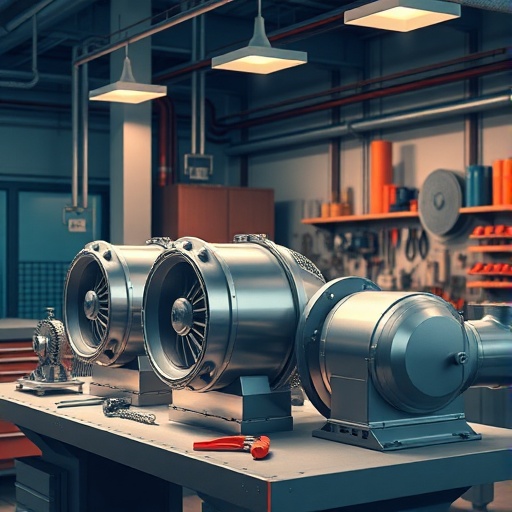
Users consistently report smoother operation after upgrading to better HVAC blower housing designs. Feedback highlights reduced vibration and steadier airflow across seasons. Many note quieter performance once new housings replace older, worn units. Positive comments often mention easier access panels that simplify filter changes. These experiences guide manufacturers toward practical improvements.
Negative feedback usually centers on poor fit during aftermarket installations. Customers value brands that provide clear sizing guides and support. Long-term users appreciate housings that maintain blower fan balance over years of service. Real-world reports help technicians recommend reliable options. Aggregated feedback reveals patterns in durability across different climates.
Online reviews frequently compare noise levels between competing products. This information influences purchasing decisions for both residential and commercial buyers.
Trends in Energy Efficiency and Noise Reduction
Recent designs focus on aerodynamic shapes inside the blower housing to cut energy consumption. Variable-speed blower motors pair with these housings for precise airflow control. Manufacturers add insulation layers that reduce both heat transfer and sound transmission. These trends respond directly to rising utility costs and stricter regulations. Lower noise output improves occupant comfort in living and working spaces.
Testing shows measurable gains in efficiency when housings optimize air paths. Energy recovery features appear in advanced models for commercial applications. Noise reduction efforts include curved scroll designs that minimize turbulence. Buyers now prioritize these features alongside basic durability. The hvac industry continues refining these elements based on performance data.
Future standards will likely require even higher efficiency ratings for blower assemblies. Current innovations already deliver noticeable savings for end users.
The Future of Blower Housing Design and Materials
Engineers explore composite materials that resist corrosion while remaining lightweight. These options reduce installation labor and extend service life in harsh environments. Smart sensors integrated into the housing will monitor blower fan performance in real time. Predictive maintenance alerts will become standard as connectivity improves. Design software now simulates airflow more accurately than earlier methods.
Modular construction allows easier upgrades without full system replacement. Sustainable materials enter production as environmental concerns grow. Future housings may incorporate self-cleaning surfaces that limit maintenance needs. These advances build on current feedback about reliability and efficiency. The evolution supports broader hvac system goals of lower operating costs and reduced environmental impact.
Research continues into quieter, more durable assemblies that meet diverse application demands. Innovation remains steady across the sector.